Has Matcha Become Overhyped?
Once you strip away the promises, the wellness buzzwords, and the endless marketing claims, what remains is something far more interesting.
Once you strip away the promises, the wellness buzzwords, and the endless marketing claims, what remains is something far more interesting.
Some places preserve centuries-old Korean tea traditions almost exactly as they were. Others reinterpret tea through contemporary aesthetics.
Behind this ritual is physiology, tradition, and habit—some grounded in science, cultural practice, and some just by the way tea feels.
Branding, packaging, wellness narratives, and cultural storytelling increasingly shape the way tea is presented to consumers.
If you’ve ever watched a traditional tea ceremony or visited a tea house in East Asia, you might notice something subtle but meaningful. Instead…
What we describe as an “oily” mouthfeel in tea has everything to do with how compounds in the tea interact with your palate.
Tea body refers to how tea feels in the mouth, not just how it tastes. It is the weight, texture, and presence of the tea liquor.
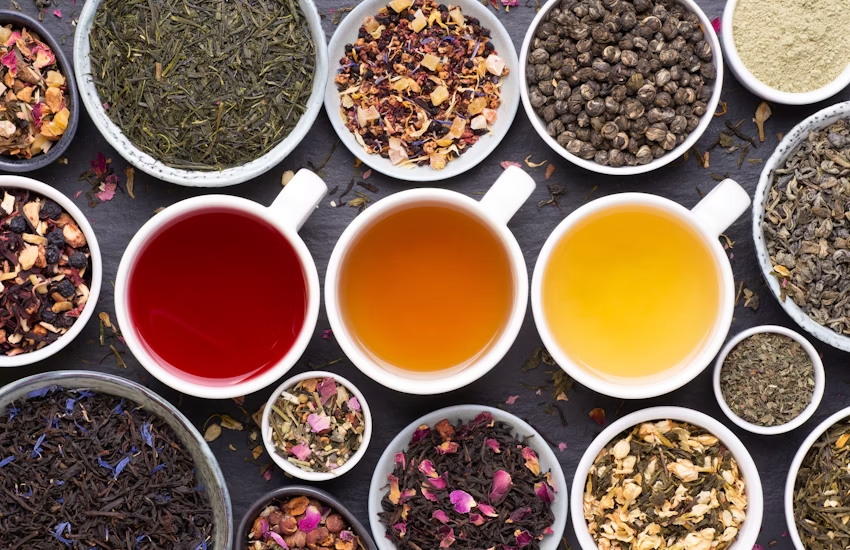
By changing how the leaves are oxidized, heated, rolled, or aged, tea producers transform the same raw material into dramatically different drinks.
A recent report out of Taiwan has stirred concern across the tea industry, after authorities began investigating a long-established tea merchant accused of selling…
If you’re visiting Melbourne and want one “iconic” tea stop that feels special without needing deep tea knowledge, it’s a strong pick.