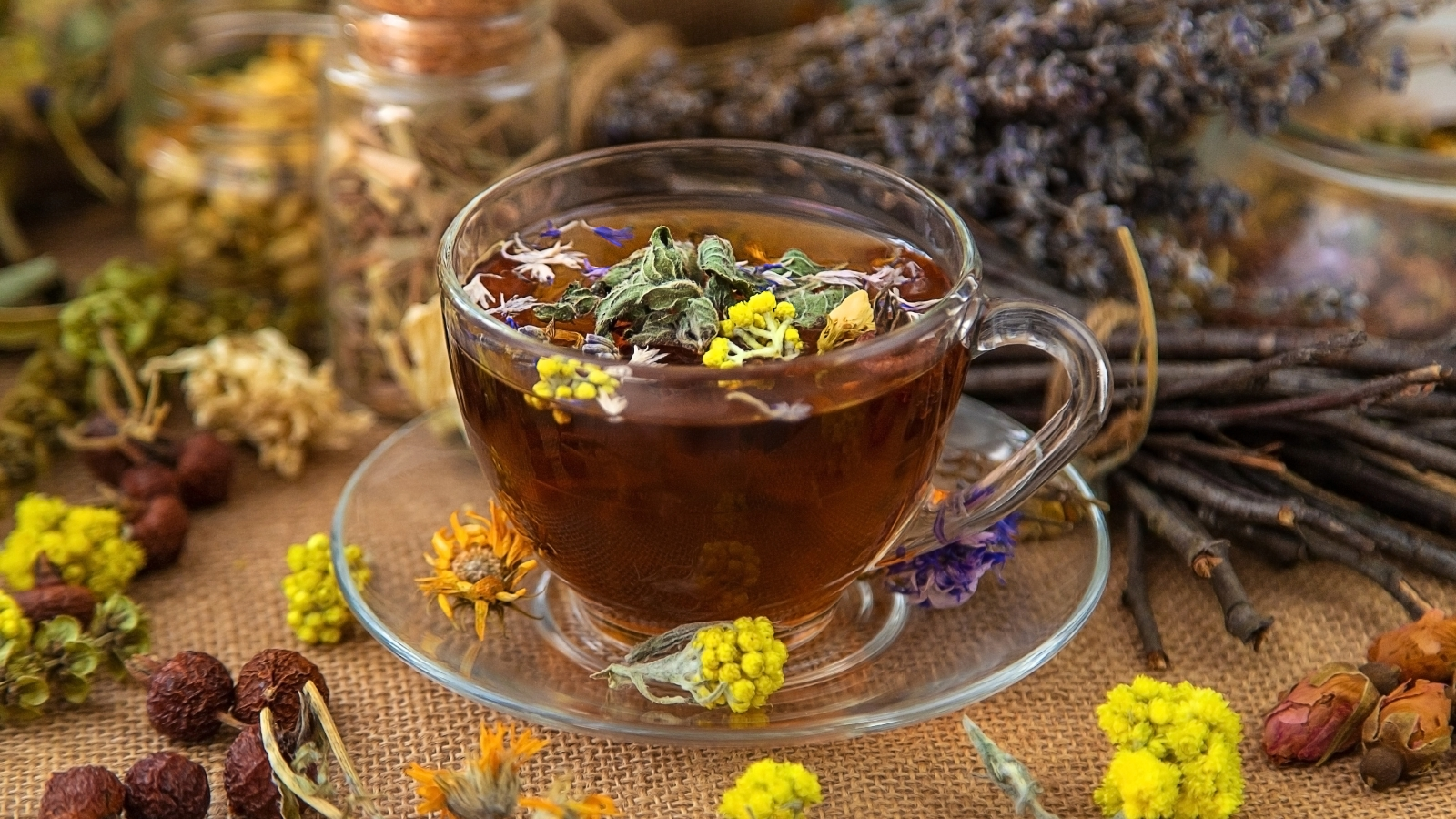
“Herbal tea” is a phrase everyone understands. It appears on menus, grocery shelves, and wellness blogs. Chamomile tea before bed. Peppermint tea after meals. Ginger tea when feeling unwell.
But from a technical and historical standpoint, herbal tea isn’t actually tea at all.
This isn’t about elitism or semantics. It’s about botany, chemistry, and how the word tea came to mean two very different things at once. Understanding this distinction helps explain why herbal teas behave differently, taste different, and affect the body differently from true tea.
What Tea Actually Is (By Definition)

True tea comes from one plant only: Camellia sinensis.
All of these are real teas:
- green tea
- black tea
- white tea
- oolong tea
- pu-erh tea
- yellow tea
They all come from the same species. What makes them different is processing, especially oxidation and fermentation—not the plant itself.
If it doesn’t come from Camellia sinensis, it isn’t tea in the technical sense.
What “Herbal Tea” Really Is

Herbal teas are infusions, not teas.
They are made by steeping herbs, flowers, roots, fruits, bark, or spices in hot water. Common examples include chamomile, peppermint, rooibos, hibiscus, ginger, and lemongrass.
The correct technical term for these drinks is tisane.
A tisane is any non-tea plant infusion. It can be hot or cold, soothing or stimulating, medicinal or purely flavorful—but it is not tea.
Why the Name “Herbal Tea” Exists Anyway
If herbal tea isn’t tea, why does everyone call it tea?
Because language follows usage, not science.
When tea spread globally, people began using the word “tea” to describe any hot, steeped beverage served in a cup. Over time, “tea” became shorthand for the ritual rather than the plant.
This is especially true in Western cultures, where tea was associated with comfort, warmth, and routine. Herbal infusions fit that same role, so the name stuck.
It’s similar to how “almond milk” isn’t milk—but everyone understands what it means.
Botanical Differences Matter
The distinction isn’t just academic. Tea and herbal infusions are chemically different.
True tea contains:
- caffeine (in varying amounts)
- L-theanine
- tea polyphenols and catechins
Herbal infusions contain:
- essential oils
- flavonoids
- plant-specific compounds (like menthol or chamazulene)
- no caffeine, unless blended with real tea
This is why herbal teas feel calming in a different way, and why they don’t provide the same alert-but-calm effect that tea does.
Why Herbal Teas Don’t Taste Like Tea
Tea has a recognizable structure: bitterness, sweetness, body, and aftertaste shaped by oxidation and leaf chemistry.
Herbal infusions behave differently. They often:
- extract quickly
- taste aromatic rather than structured
- lack lingering aftertaste
- change dramatically with longer steeping
This is because herbs don’t have the same cellular structure or polyphenol balance as tea leaves.
Comparing chamomile to green tea is like comparing broth to wine. Both are enjoyable—but they’re built differently.
Caffeine Is a Key Divider
One of the clearest distinctions is caffeine.
Just like coffee, all true tea contains caffeine naturally. Even white tea and lightly brewed green tea contain some.
Herbal infusions are naturally caffeine-free, unless blended with tea or other stimulants like yerba mate.
This is why herbal “teas” are often marketed for sleep, digestion, or relaxation, while tea is associated with focus and alertness.
Cultural Accuracy vs Everyday Language
In traditional tea cultures, especially in China and Japan, herbal infusions are not called tea.
They are recognized as separate drinks with their own traditions and medicinal uses. Tea is tea. Herbs are herbs.
The Western habit of calling everything “tea” is a linguistic convenience, not a cultural universal.
Why This Distinction Actually Helps Consumers
Knowing the difference helps set expectations.
If you’re looking for:
- caffeine → choose real tea
- complex mouthfeel → choose real tea
- evolving flavor across multiple infusions → choose real tea
If you’re looking for:
- caffeine-free comfort → herbal infusion
- strong aroma → herbal infusion
- targeted wellness benefits → herbal infusion
Neither is better. They simply serve different purposes.
Why the Tea Industry Still Uses “Herbal Tea”
From a marketing perspective, the term “herbal tea” is familiar and friendly.
“Tisane” sounds technical and unfamiliar to many consumers. “Herbal tea” communicates warmth, comfort, and ritual instantly—even if it’s botanically incorrect.
So the industry uses the term because it works, not because it’s precise.
Is It Wrong to Call Herbal Tea “Tea”?
In everyday conversation? No.
In education, labeling, and understanding what you’re drinking? Yes—at least a little.
It’s fine to enjoy herbal teas as tea-time beverages. But knowing they aren’t technically tea gives you clearer expectations about flavor, caffeine, and brewing behavior.
Final Thoughts: Tea Is a Plant, Not a Temperature
“Herbal tea” isn’t technically tea because tea is not defined by hot water, cups, or comfort—it’s defined by a plant.
True tea comes from Camellia sinensis. Everything else is an infusion.
That doesn’t make herbal teas lesser. It makes them different.
And once you understand that difference, both tea and herbal infusions become easier to choose, easier to brew, and easier to appreciate—for what they actually are.


One Comment