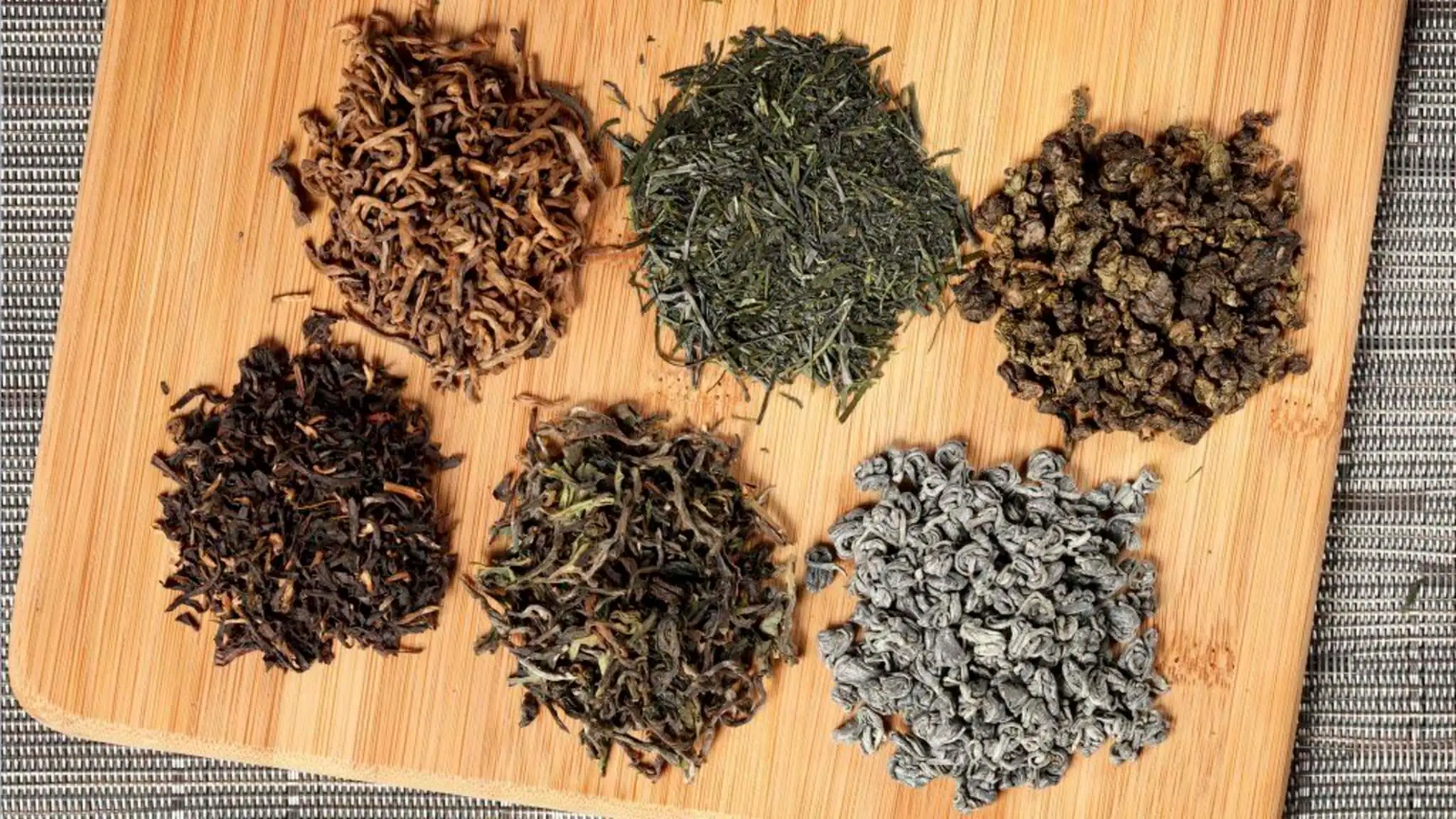
One of the most important—but least visible—decisions in tea making happens immediately after harvest: how to stop oxidation. Once tea leaves are picked, enzymes inside the leaf begin reacting with oxygen, changing color, aroma, and flavor. To preserve freshness, producers must halt this process quickly.
Two primary methods evolved to do this: pan-firing and steaming. Both aim to stop oxidation, but they do so in very different ways, leading to teas that taste, smell, and feel completely distinct.
Understanding why some teas are pan-fired instead of steamed reveals how culture, climate, history, and flavor philosophy shape what ends up in your cup.
Oxidation Control Is the Core Purpose

Before diving into methods, it’s important to clarify the goal.
Pan-firing and steaming are not about “cooking” tea for flavor alone. Their primary purpose is to deactivate enzymes responsible for oxidation. Once that’s achieved, everything else—aroma, texture, sweetness, bitterness—is a consequence of how the heat was applied.
The choice between dry heat and moist heat determines the tea’s entire personality.
Pan-Firing: Dry Heat and Direct Contact

Pan-firing uses dry heat, traditionally in woks or large heated pans. Fresh tea leaves are tossed, pressed, or rolled against hot metal surfaces, quickly stopping oxidation through direct contact.
This method is most closely associated with green teas from China, where pan-firing has been practiced for centuries.
Because the heat is dry and uneven, pan-firing does more than halt oxidation. It gently alters leaf chemistry, encouraging Maillard reactions that produce nutty, roasted, and chestnut-like aromas. The leaves also lose moisture more gradually, which affects texture and extraction later during brewing.
Steaming: Moist Heat and Speed

Steaming exposes tea leaves to hot steam for a short period, rapidly deactivating enzymes without direct contact with metal.
This technique became dominant in Japan, where producers valued speed, consistency, and preservation of leaf color. Steaming locks in chlorophyll, resulting in vivid green leaves and strong vegetal aromas.
Because steaming is fast and uniform, it preserves more of the leaf’s original chemical makeup. The result is tea that tastes fresh, grassy, marine, and umami-driven rather than nutty or warm.
Flavor Philosophy Drives the Choice

The reason some teas are pan-fired instead of steamed ultimately comes down to what kind of flavor the culture values.
In China, tea culture historically emphasized balance, softness, and complexity. Pan-firing creates teas that are rounded, aromatic, and less aggressively vegetal. The dry heat reduces grassy sharpness and produces flavors that feel calm and integrated.
In Japan, tea became closely tied to clarity, freshness, and intensity. Steaming preserves sharp green character and umami, creating teas that feel vivid and expressive—even bracing.
Neither method is superior. They simply serve different sensory ideals.
Pan-Firing Reduces Green Sharpness
One practical reason pan-firing persists is how it manages bitterness.
Dry heat slightly breaks down certain grassy compounds while redistributing polyphenols inside the leaf. This often results in green teas that feel less sharp, even when brewed with hotter water.
This forgiving nature makes pan-fired teas appealing to drinkers who prefer warmth and smoothness over intensity. It also allows for more flexibility in brewing without immediate bitterness.
Leaf Structure Responds Differently to Heat
Pan-firing physically changes the leaf.
As leaves are tossed and pressed in hot pans, their cell walls collapse unevenly. This creates a structure that releases flavor gradually during brewing. Aroma unfolds slowly, and bitterness builds more gently.
Steamed leaves retain more intact cell structure but rupture more easily when brewed. This leads to faster extraction, stronger umami, and a narrower margin for error.
The firing method directly shapes how the leaf behaves in water.
Climate and Practicality Matter
Pan-firing also made sense historically.
In many Chinese tea regions, dry heat was easier to control than large-scale steaming. Woks and pans were readily available, fuel-efficient, and adaptable to different leaf sizes and harvest volumes.
Steaming requires dedicated equipment and consistent steam pressure, which became more feasible in Japan as tea production modernized. Once steaming proved effective and scalable, it became the standard.
What began as practicality eventually became tradition.
Pan-Firing Creates Greater Aromatic Diversity
Another reason pan-firing persists is aromatic range.
Dry heat encourages complex aromatic compounds that span nutty, floral, toasted, and even subtly sweet notes. These aromas are not “added,” but coaxed out through controlled heat exposure.
Steaming preserves aroma rather than reshaping it. The resulting teas are intense but narrower in aromatic range, focused on freshness rather than transformation.
For producers seeking diversity and nuance, pan-firing offers more creative control.
Not All Pan-Fired Teas Taste Roasted
A common misconception is that pan-fired teas always taste smoky or roasted.
In reality, skilled pan-firing is gentle. High-quality pan-fired green teas are not burnt or smoky; they’re soft, slightly nutty, and clean. The heat is carefully managed to prevent harsh flavors while still shaping aroma.
Poor pan-firing can produce flat or burnt tea, but the same is true of poorly steamed tea, which can taste overly vegetal or seaweed-heavy.
Technique matters more than method.
Modern Production Still Chooses Intentionally
Today, both methods coexist intentionally rather than competitively.
Producers don’t choose pan-firing because steaming is unavailable. They choose it because they want a specific flavor outcome. Even with access to modern steaming technology, many producers continue pan-firing to preserve traditional taste profiles.
The method is part of the tea’s identity, not an outdated step.
What This Means for Drinkers

If you prefer smooth, warm, and gently aromatic teas, pan-fired styles are often more appealing. They tend to be forgiving, layered, and calming.
If you enjoy bold freshness, umami, and vivid green intensity, steamed teas deliver that experience clearly and directly.
Knowing the difference helps you choose teas that align with your palate rather than assuming all green teas should taste the same.
Final Thoughts: Pan-Fired vs Steamed Is a Choice, Not a Compromise
Some teas are pan-fired instead of steamed not because one method is better, but because each expresses a different philosophy of flavor.
Pan-firing transforms the leaf, guiding it toward warmth, balance, and aromatic depth. Steaming preserves the leaf, highlighting freshness, clarity, and intensity.
Both are deliberate, refined choices shaped by centuries of tea culture.
And once you understand that, the difference in your cup stops being confusing—and starts being meaningful.


