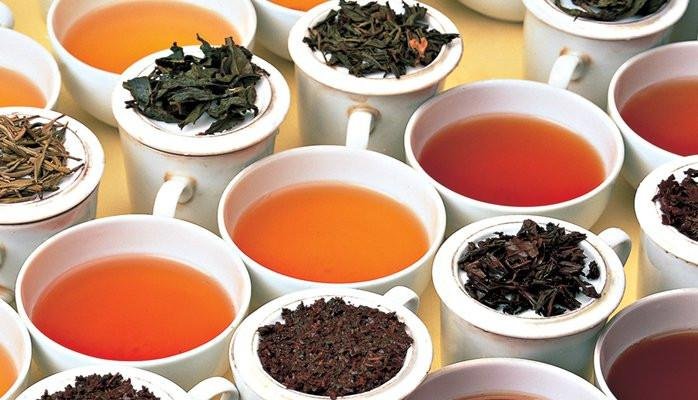
If you’ve ever shopped for tea, you’ve likely encountered a confusing mix of letters and terms—OP, BOP, FOP, FTGFOP, fannings, dust. At first glance, tea grades seem like a clear hierarchy, suggesting that some teas are objectively better than others.
But here’s the truth most packaging won’t tell you: tea grades do not automatically equal tea quality.
Tea grading systems were designed to describe leaf size and appearance, not flavor, freshness, craftsmanship, or enjoyment. In many cases, a lower-grade tea can taste better than a higher-grade one—depending on how it’s grown, processed, and brewed.
Understanding why tea grades don’t always mean quality can completely change how you choose tea.
What Tea Grades Actually Measure

Tea grades primarily describe the physical size and condition of the leaf, not how good the tea tastes.
Most grading systems originated to standardise trade, pricing, and shipping—not to guide consumers toward better flavor. Grades help merchants estimate how tea will brew, how quickly it will extract, and how consistent it will be across batches.
They do not account for:
- Freshness
- Harvest season
- Growing altitude
- Cultivar
- Processing skill
- Storage conditions
All of which have a far greater impact on quality than grade letters ever could.
The Colonial Roots of Tea Grading
Tea grading systems became widespread during the colonial tea trade, particularly in regions like India and Sri Lanka, where large volumes of tea were produced for export to Europe.
Buyers needed a quick way to sort massive quantities of tea by consistency. Leaf size became the easiest metric.
A larger, more intact leaf fetched a higher price—not necessarily because it tasted better, but because it looked more refined and was associated with prestige in Western markets.
This visual bias still influences how tea is perceived today.
Why “Higher Grade” Often Just Means “Bigger Leaf”

Terms like OP (Orange Pekoe) or FOP (Flowery Orange Pekoe) refer to leaf size and the presence of buds—not flavor complexity.
A high-grade whole-leaf tea can still taste flat if:
- It’s made from poor-quality plants
- It was harvested too late
- It was overprocessed
- It’s stale
Meanwhile, a broken-leaf tea made from excellent raw material can taste vibrant, aromatic, and satisfying.
Grade tells you how the leaf looks, not how it was treated.
Tea Grades Ignore Freshness Entirely
Freshness is one of the most important indicators of tea quality—and grading systems say nothing about it.
A beautifully graded whole-leaf tea that’s been sitting in a warehouse for years will taste dull and lifeless. A lower-grade tea harvested recently can taste brighter and more expressive.
This is especially true for green and lightly oxidized teas from China and Japan, where freshness determines sweetness, aroma, and balance.
Grade doesn’t age well. Tea does.
Broken Leaves Aren’t Always Inferior

Broken leaves are often dismissed as “low quality,” but this is misleading.
Broken-leaf teas extract faster and produce stronger flavor more quickly. That makes them ideal for:
- Milk tea
- Iced tea
- Tea bags
- High-volume service
They’re not designed for slow, contemplative brewing—but that doesn’t make them bad. It makes them purpose-built.
Judging a tea solely by grade ignores what it’s meant to do.
Some of the World’s Best Teas Aren’t Graded at All

Many artisanal teas simply don’t fit into formal grading systems.
Handcrafted oolongs, aged teas, wild-harvested teas, and experimental batches often defy standard categories. Their leaves may be irregular, twisted, or uneven—traits that grading systems penalize, but connoisseurs celebrate.
In traditional tea cultures, quality is assessed by taste, aroma, mouthfeel, and aftertaste—not leaf uniformity.
Grades matter far less where tea is meant to be experienced, not standardised.
Processing Skill Matters More Than Leaf Size
Two teas with identical grades can taste completely different depending on who made them.
Tea processing involves oxidation control, rolling technique, firing temperature, and timing—all requiring skill and intuition. A poorly processed high-grade tea will taste harsh or bland. A masterfully processed lower-grade tea can be elegant and complex.
Grading systems cannot measure craftsmanship.
Why Grade Can Be Actively Misleading for Beginners
Many new tea drinkers assume that higher grades guarantee better taste. This often leads to disappointment.
They buy an expensive, high-grade tea, brew it incorrectly, and find it bitter or dull. Meanwhile, a simpler tea brewed properly might have suited their palate far better.
Grades don’t tell you how forgiving a tea is, how it reacts to water temperature, or how it behaves if oversteeped—all crucial for enjoyment.
Cultural Differences in How Quality Is Judged
In Western tea markets, grades are often treated as status markers.
In East Asia, quality is judged differently. In China, clarity of flavor, balance, and lingering aftertaste matter more than leaf uniformity. In Japan, sweetness and umami outweigh visual perfection.
These traditions focus on experience, not classification.
Grades are tools. Taste is the standard.
Marketing Has Turned Grades into Buzzwords
Modern tea marketing often exaggerates the importance of grades to justify higher prices.
Long strings of letters look impressive and authoritative. But without context—origin, harvest date, processing style—they don’t mean much.
Some sellers rely on grades because they’re easy to print and easy to sell, even when they say very little about actual quality.
What to Look for Instead of Tea Grades
If grades aren’t reliable indicators of quality, what should you pay attention to?
- Origin and region
- Harvest season
- Processing style
- Freshness
- Aroma and aftertaste
- How the tea makes you feel when drinking it
These factors shape quality far more than whether a leaf is whole or broken.
Final Thoughts: Tea Quality Can’t Be Reduced to Letters
Tea grades exist to organise, not to judge.
They tell you about size, shape, and sorting—not care, skill, or soul. Relying on grades alone risks missing out on extraordinary teas simply because they don’t look impressive on paper.
The best tea isn’t the highest graded one. It’s the tea that tastes balanced, expressive, and satisfying to you.
And that’s something no grading system can ever measure.


